


Exercise for Bone Health: Strength, Impact & Bone Density
Strong bones need more than simply staying active.
Strength training, impact exercise and balance work can all play a role in supporting bone health and maintaining the physical capacity we need as we get older.
Whether you’re thinking about bone health preventatively, have been told your bone density is lower than expected, or simply want to understand what type of exercise actually matters, this guide will help you know where to start.
Where should you start?
Rather than searching for one perfect exercise to strengthen your bones, it can be more useful to think about the different types of stimulus your body needs.
Strength
Resistance training challenges your muscles and bones through movements such as lifting, pushing, pulling and carrying.
Impact
Jumping, hopping, landing and other forms of impact introduce forces through the skeleton that can be particularly relevant for bone health.
Balance & confidence
Balance, coordination and reaction work can help you stay capable and confident in everyday movement as you get older.
Our Strength Training for Bone Density webinar is a practical introduction to exercising for stronger bones.
We explore:
- what the evidence says
- why strength matters
- how impact fits in
- where to begin
- how to build an appropriate level of challenge
What type of exercise is good for bone health?
Webinar: Bone Density in 20 Mins
Bone-strengthening exercise doesn’t need to be complicated. The goal is to progressively expose your muscles and bones to enough challenge to encourage adaptation.
Bone strengthening exercises
Squats & lower-body strength
Squats, sit-to-stands and similar movements challenge the muscles and bones of the lower body and can be adapted to different starting points.
Pushing and pulling
Pressing and pulling movements help develop upper-body strength and can be performed using weights, resistance bands or everyday objects.
Lifting and carrying
Picking things up and carrying them builds practical strength while exposing the body to load in ways that transfer naturally into everyday life.
Why impact matters for bone density
Bones respond to the forces placed through them. That’s one reason impact exercise can form an important part of bone-focused training.
Impact doesn’t have to mean immediately doing large jumps or high-intensity workouts. Depending on your starting point, it might begin with smaller movements and gradually progress as your confidence and capacity increase.
The aim is to find enough challenge to create a useful stimulus without jumping straight to a level your body isn’t ready for.
How strength and impact work together
Strength and impact aren’t competing approaches to bone health. They provide different types of challenge and can work alongside one another.
Strength training helps you become capable of producing and controlling more force, while impact gives the body experience absorbing and responding to force.
A well-rounded approach can also include balance, coordination, mobility and the everyday movement that helps you stay active outside structured exercise sessions.
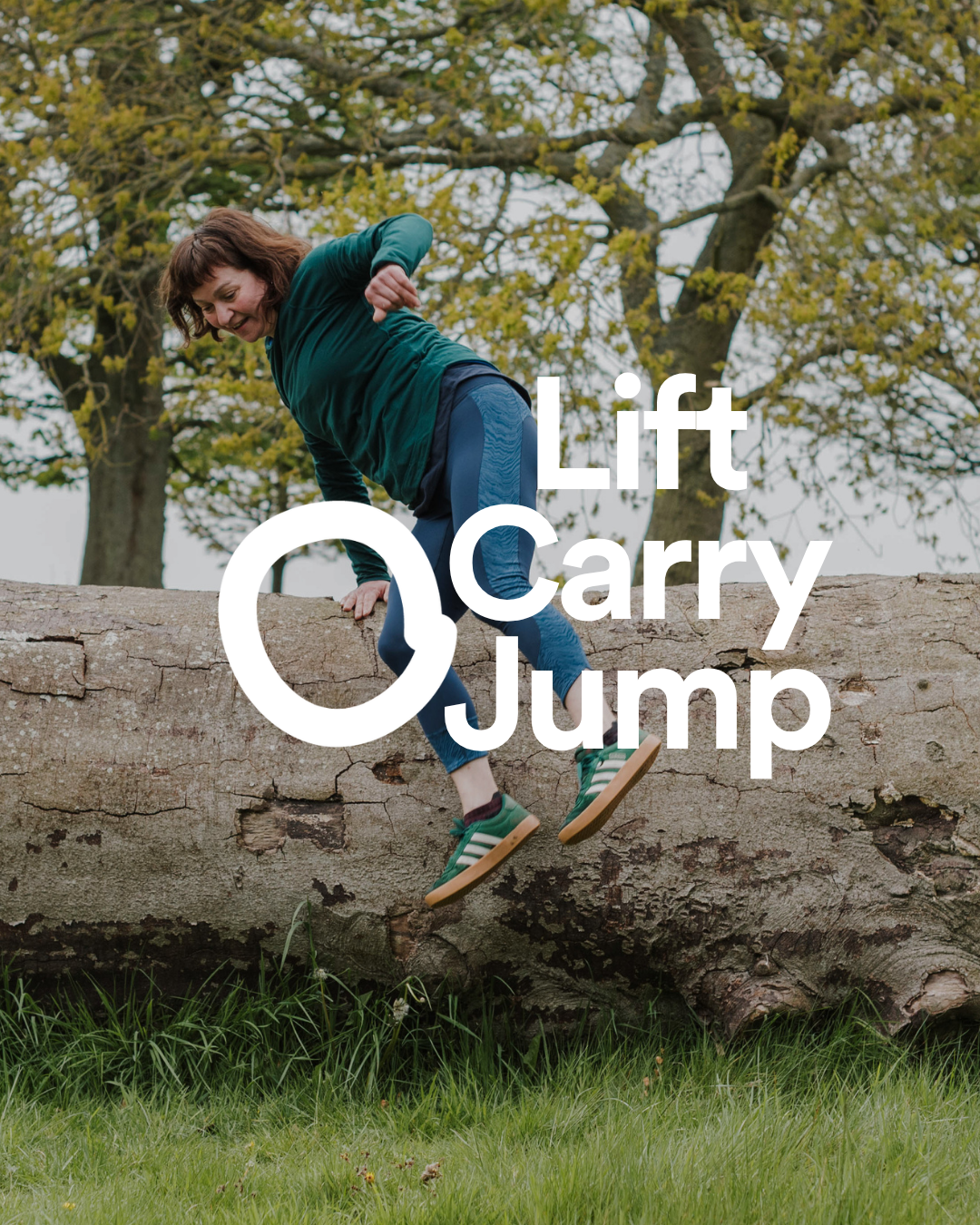
Lift, Carry, Jump
£67. Coming in Nov 2026
A short course focused on building strength & bone density through lifting, impact and carries.
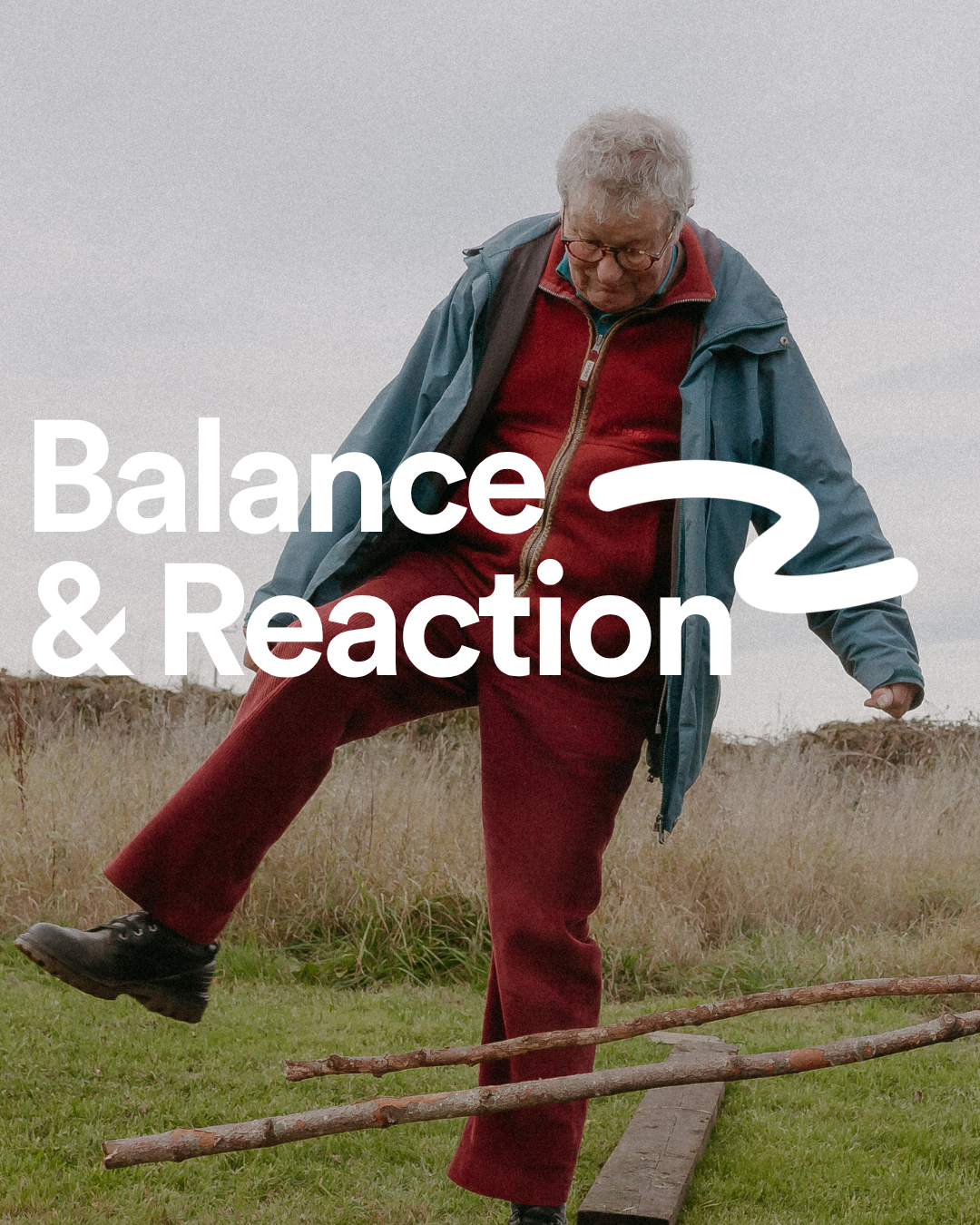
Balance & Reaction
£37. Available now!
A short course focused on building dynamic balance and reactivity through playful movement.
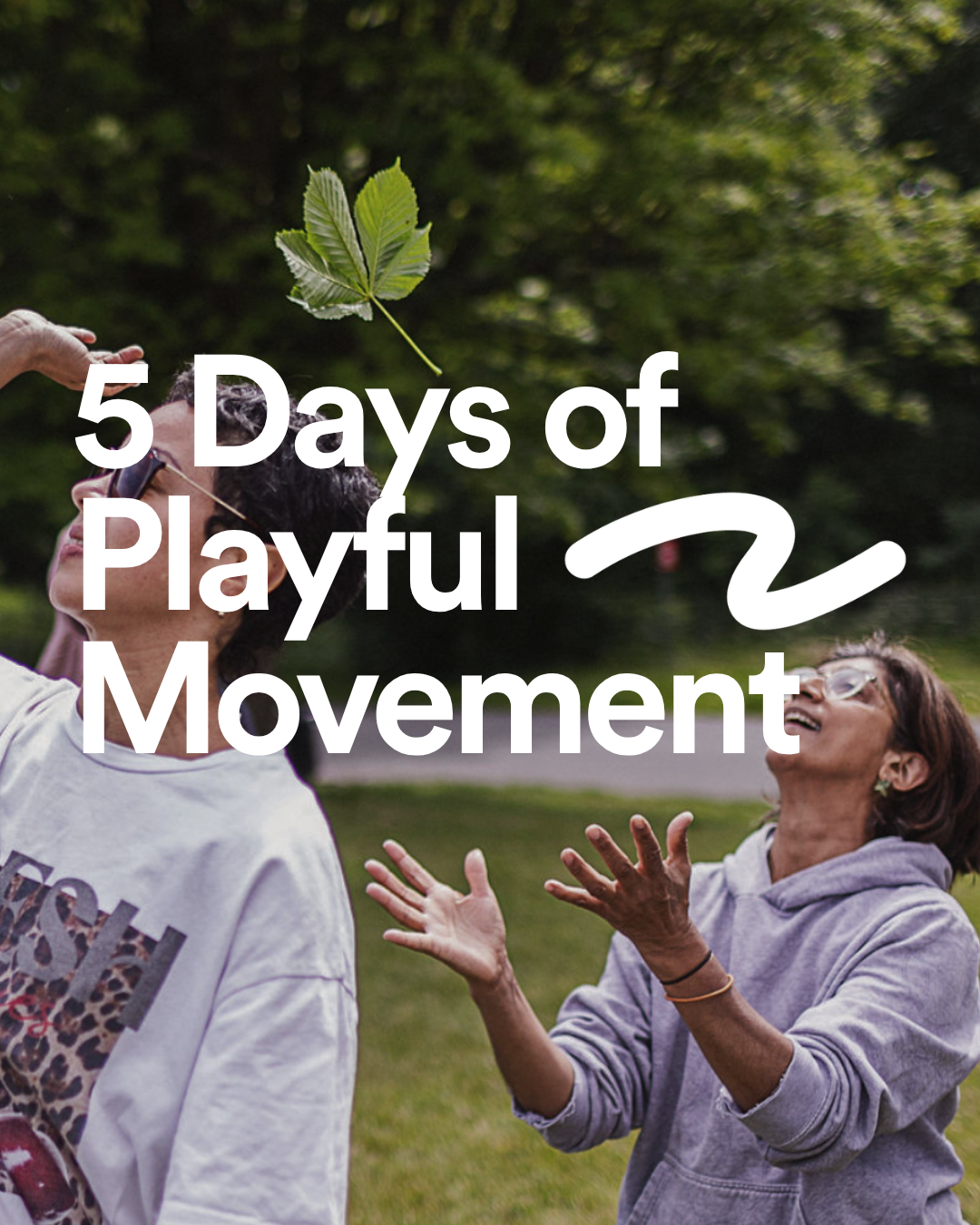
5 Days of Playful Movement
£27. Available now!
A five day short course introducing playful movement and helping you to find movement opportunities all around you.
Want More Structured Support?

In Person Courses
Whether you’re a coach-in-training or just looking to move better, our in-person courses help you build strength, confidence, and real-world movement skills.
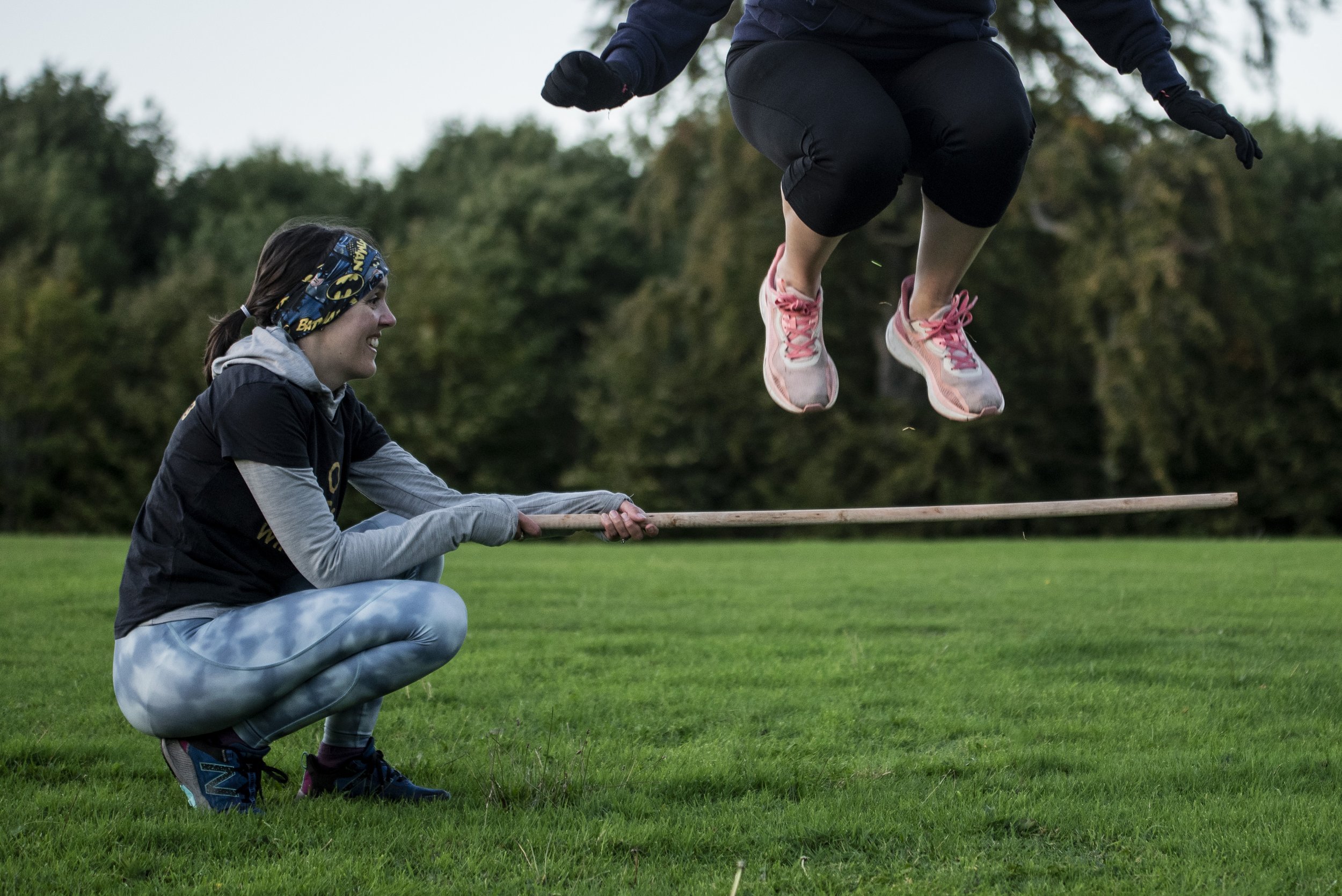
Online Courses
Train anywhere, anytime with our expert-led movement courses, designed to help you build strength, mobility, and confidence at your own pace.
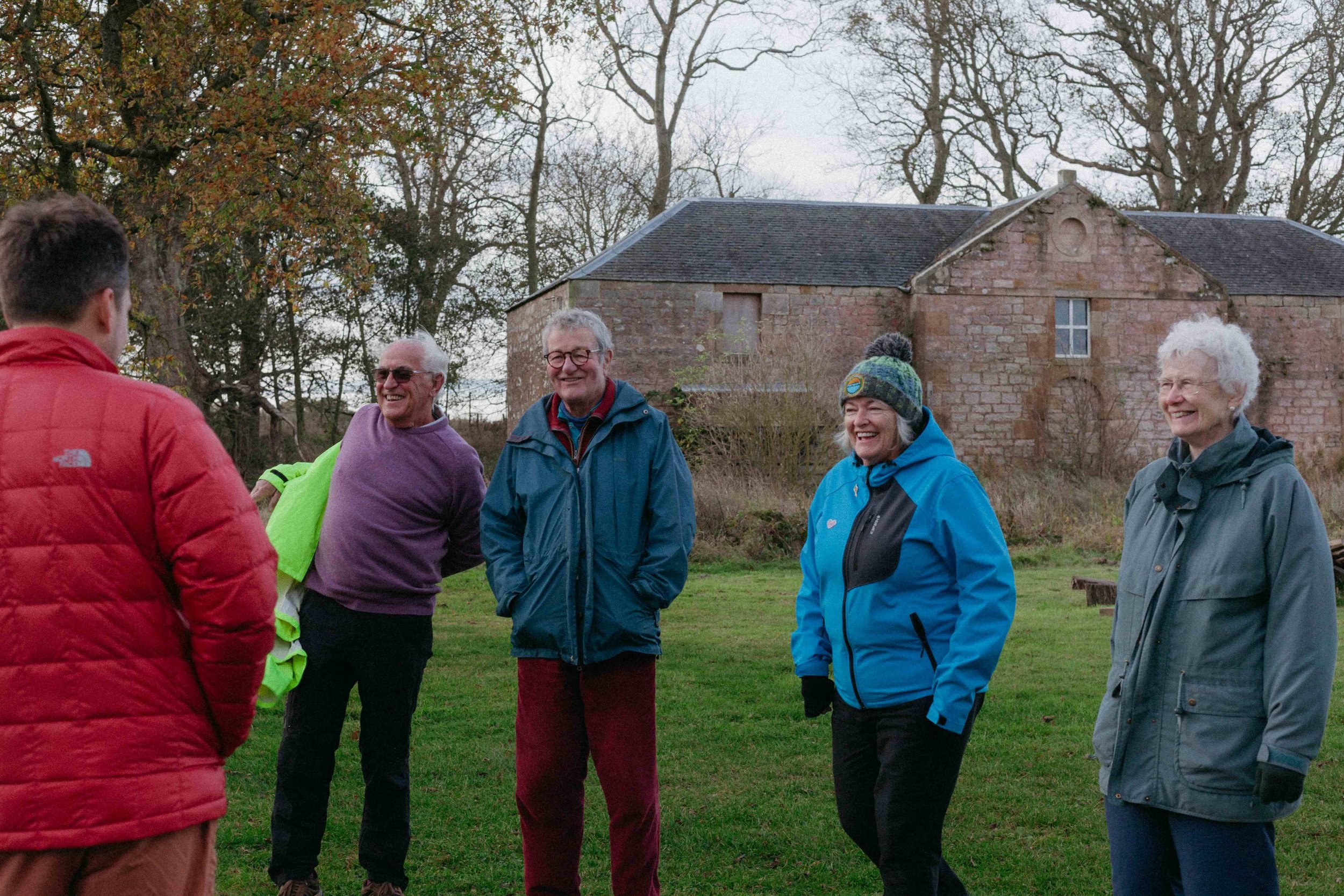
Training for Community Groups
Play coaching that helps adults build strength, balance, and confidence outdoors while connecting with others.

A note before you start
Exercise should be appropriate to your current health, experience and capacity. If you have osteoporosis, have experienced fractures or have been advised to modify your activity, it can be helpful to speak with an appropriate healthcare professional before starting a new programme.
WildStrong resources are designed to support learning and confidence around movement but are not a substitute for individual medical advice.
Frequently Asked Questions
-
Strength training and impact exercise are two important components of exercise for bone health. Balance and coordination work can also help support confidence and physical capability. Rather than looking for one “best” movement, think about building a varied programme that provides different types of challenge.
-
Progressive resistance training and appropriate impact exercise can provide the mechanical stimulus bones need to adapt. The right level of challenge depends on the individual, which is why progression matters rather than simply repeating the same easy exercises indefinitely.
-
To maintain or increase bone density and quality over time, the evidence consistently points towards two to three appropriately challenging sessions each week.
Life will always get in the way, so the aim is consistency over the long term rather than perfection every week.
-
Walking is valuable for general health and keeping active, but if your specific goal is to improve strength and provide a meaningful stimulus for bone health, it is useful to include resistance and appropriate impact training as well.
-
Yes. Strength training can be done at home or outdoors using bodyweight, resistance bands, weights or everyday objects. What matters is finding ways to progressively challenge yourself rather than where the exercise takes place.
-
No. Impact exists on a spectrum, and the appropriate starting point varies between people. The aim is to gradually introduce and progress impact at a level that suits your current capacity.
-
Research supports progressive resistance and impact exercise as important components of training for bone health, alongside activity that supports balance and physical function.
Our Strength Training for Bone Density webinar explores the evidence in more detail and shows how these principles can be applied in practice.